Digital Payment Webs Across Gaming Platforms: How Mobile Rails Bridge Bonus Triggers and Jackpot Payouts in Integrated Sports and Table Play
Written by Quinn Simon · Aug 25, 2026
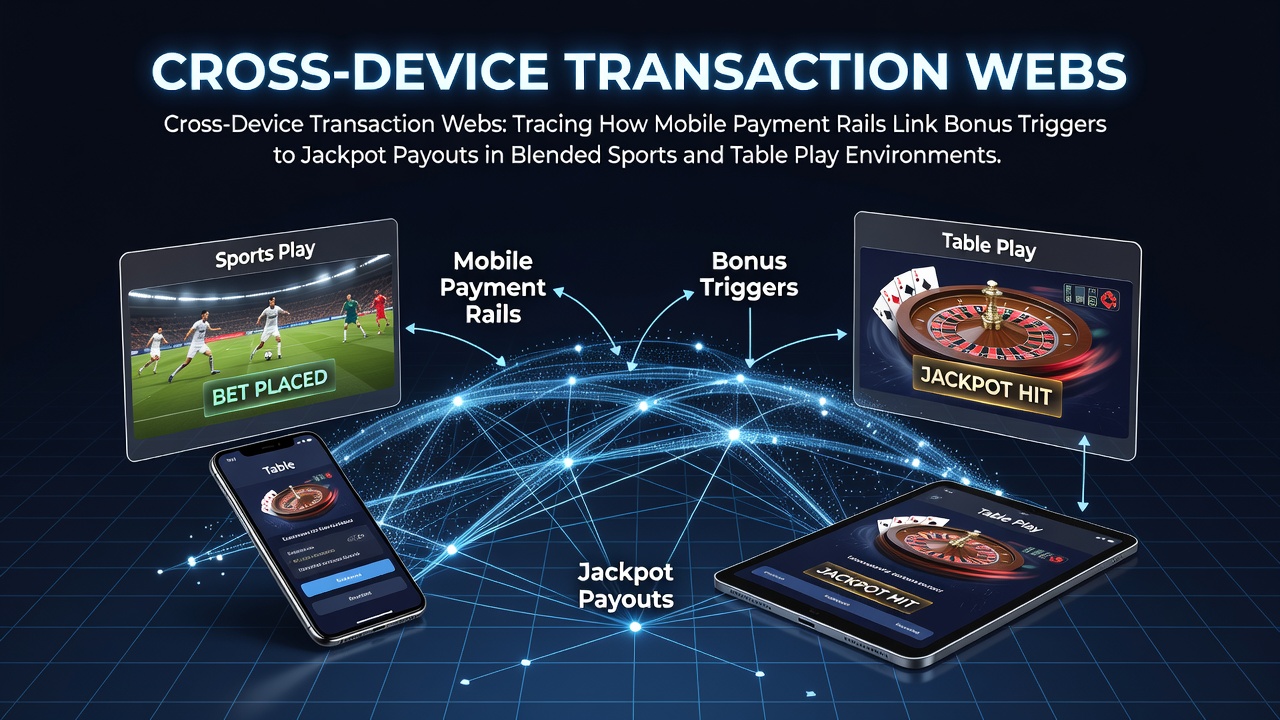
Digital Payment Webs Across Gaming Platforms: How Mobile Rails Bridge Bonus Triggers and Jackpot Payouts in Integrated Sports and Table Play
Payment infrastructure in blended gaming environments now routes transactions through interconnected mobile rails that activate bonus mechanisms before they feed into jackpot calculations across sports and table play sessions, and data from industry reports show these systems handle increasing volumes as operators integrate real-time settlement features into unified platforms.
Operators deploy application programming interfaces that link digital wallets to game servers, which allows a single transaction on a smartphone to trigger promotional credits that migrate into live dealer tables or sports wagers while maintaining session continuity on tablets or desktop terminals. Observers note that these cross-device webs reduce latency between deposit confirmation and bonus eligibility verification, particularly when players switch between sports betting markets and table game rounds within the same account profile.
Mechanics of Mobile Payment Integration
Transaction processing begins when a player authorizes a payment through services such as Apple Pay or regional equivalents, after which the rail transmits metadata that includes device identifiers and game selection flags to backend ledgers. This metadata activates conditional rules that allocate bonus funds only when the originating device matches eligibility criteria stored in operator databases, and figures from payment technology providers indicate that such matching occurs within milliseconds to support seamless play across environments.
Once bonus triggers activate, the same rail carries the adjusted balance forward so that jackpot contributions from table game wagers or sports accumulators accumulate in shared progressive pools. Researchers at academic institutions have documented how these flows create traceable audit trails that operators use for compliance reporting, while players experience uninterrupted progression from one game type to another without separate funding steps.
Cross-Device Continuity in Blended Sessions
Players frequently initiate sports bets on mobile devices during live events then transition to table games on larger screens, and the payment rails maintain balance synchronization by updating a central ledger that all connected platforms reference in real time. This synchronization ensures that bonus multipliers earned through initial sports activity apply to subsequent table game spins or hands, which data from transaction analytics firms confirm increases overall session duration in integrated venues.
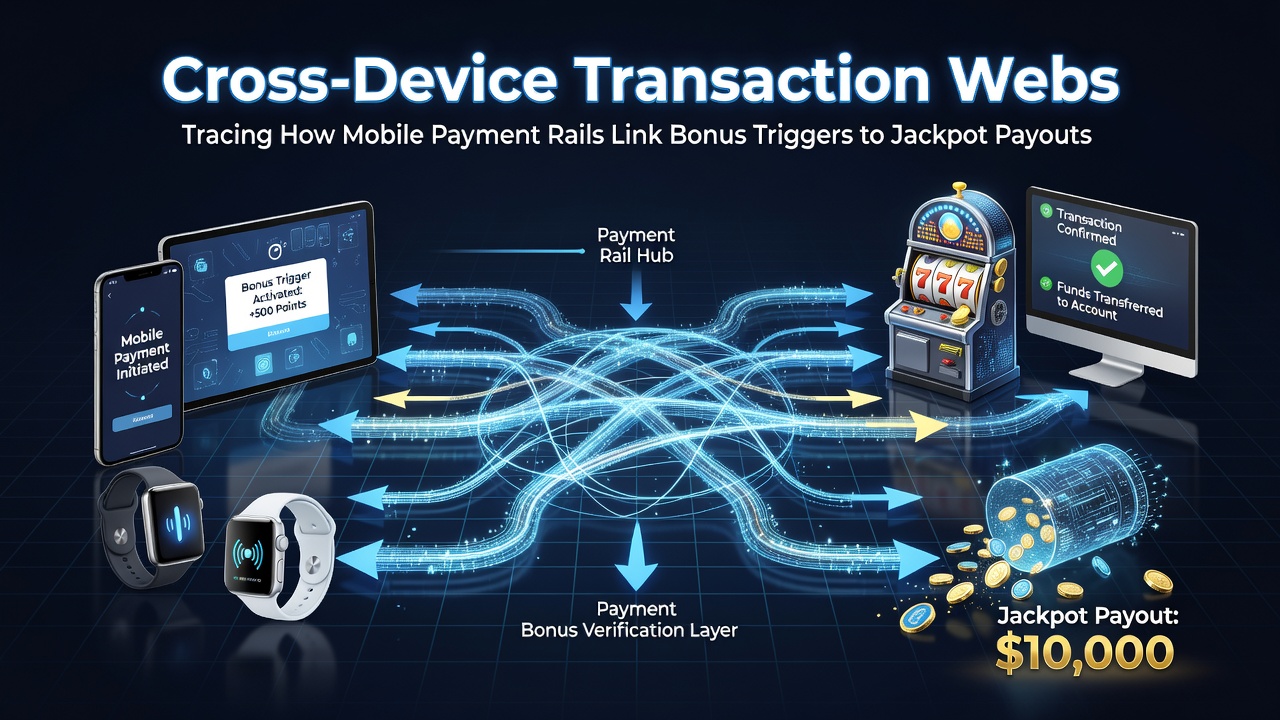
Security protocols embedded in these rails employ device fingerprinting alongside tokenization to prevent unauthorized balance transfers, and regulatory filings in multiple jurisdictions detail how such measures align with standards set by bodies like the Nevada Gaming Control Board. In August 2026, updates to interoperability guidelines from the Australian Communications and Media Authority highlighted similar requirements for cross-platform payment verification in licensed gaming operations.
Jackpot Allocation and Bonus Migration Patterns
Jackpot contributions derive from portions of each wager processed through the mobile rail, which allocates fractions to progressive meters based on game category and wager size while preserving bonus integrity across device handoffs. Case studies from North American casino groups reveal that when bonus funds originate from a sports wager, they retain their promotional status when applied to table play, allowing players to meet wagering requirements without resetting progress on jackpot eligibility.
Payment rails also support reverse flows where table game winnings fund additional sports bets, and the system logs each transfer to maintain accurate records for both operators and oversight agencies. Industry organizations such as the European Gaming and Betting Association have published analyses showing that these bidirectional capabilities reduce player friction while supporting responsible gambling tools that monitor total exposure across blended activities.
Regulatory and Technical Considerations
Jurisdictions outside the United Kingdom have introduced frameworks that require payment processors to segregate bonus and cash balances during cross-device movements, which ensures jackpot contributions remain traceable to verified funding sources. Technical specifications published by research centers at universities in Canada emphasize encryption standards that protect transaction data as it travels between mobile applications and central gaming servers.
Operators report that implementation of these webs demands coordination between payment gateways and game suppliers to handle variable network conditions, and tests conducted by independent labs demonstrate that fallback mechanisms preserve bonus state even during temporary connectivity interruptions. Such resilience supports continuous play across sports and table environments without loss of promotional value or jackpot accumulation.
Conclusion
Cross-device transaction webs continue to evolve as mobile rails incorporate advanced routing logic that connects bonus activation directly to jackpot outcomes in mixed sports and table play settings, and ongoing developments in payment technology maintain the factual basis for these integrated systems across global markets.