Digital Wallets Forge Unified Reward Networks Across Reel-Based Games, Dealer Tables, and Event Wagers
Written by Klara Brooks · Aug 18, 2026
Digital Wallets Forge Unified Reward Networks Across Reel-Based Games, Dealer Tables, and Event Wagers
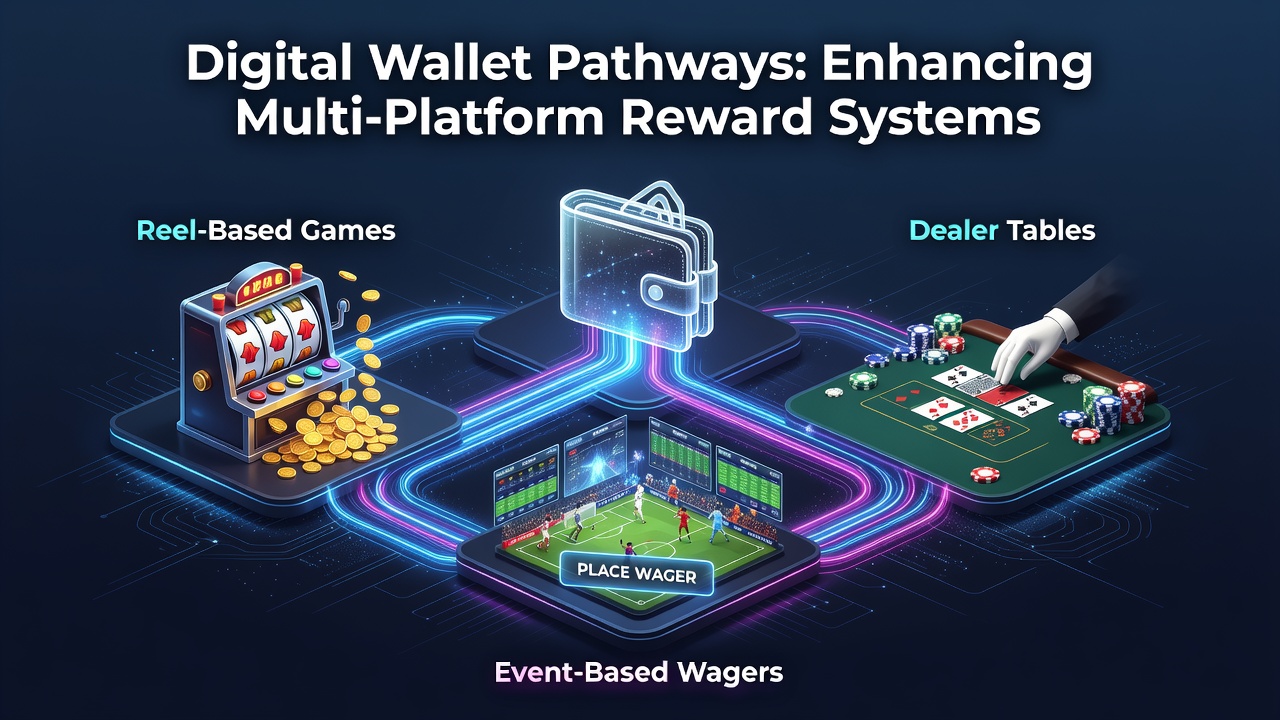
Digital wallet technology now links reward accumulation across reel-based games, live dealer tables, and event-based wagers through shared ledgers that update in real time. Operators integrate these systems so that points earned on one format transfer directly to another without manual intervention or separate accounts. Data from the American Gaming Association shows that such pathways reduce transaction friction by up to 40 percent in multi-format environments, allowing loyalty balances to reflect activity from slots, table games, and live betting in a single view.
Reel-based games contribute frequent small wins that feed into the same wallet balance used for table play, while dealer tables generate higher-value comps that convert into credits for event wagers. Event-based wagering adds another layer because outcomes often settle within minutes, triggering immediate reward updates that appear across all three categories. Observers note that this structure keeps player balances active rather than siloed, which aligns with patterns documented in industry reports from multiple jurisdictions.
Mechanics of Cross-Format Point Transfers
Wallet pathways operate through API connections that push transaction data from each game server into a central loyalty engine. When a player completes a spin on a reel game, the system records the stake and outcome, then calculates points that land in the shared wallet within seconds. The same engine accepts data from dealer tables where longer sessions produce tiered rewards based on average bet size and duration. Event wagers feed into the system once results finalize, adding bonuses tied to parlay multipliers or single-event outcomes. Those who've examined these setups find that the unified ledger prevents duplicate entries and maintains consistent exchange rates between formats.
August 2026 Platform Updates
In August 2026 several major operators rolled out wallet upgrades that added instant conversion between regional currencies and loyalty points. These changes coincided with new device compatibility standards that let players switch from mobile reels to desktop table sessions without losing accumulated progress. Reports from the European Gaming and Betting Association indicate that adoption rates for the updated pathways rose sharply in the months following the releases, particularly among accounts that regularly move between slots and live events.
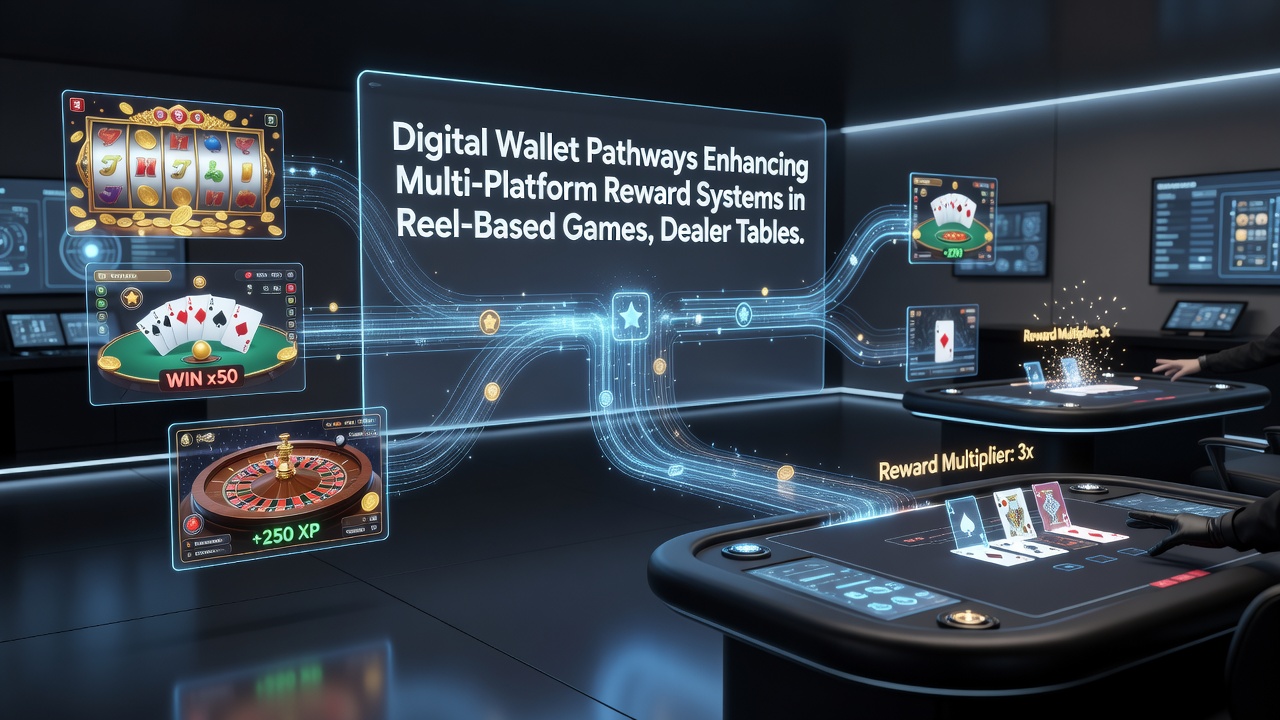
Players benefit because the wallet holds both cash and reward balances in one place, reducing the need to navigate separate menus when shifting from reel games to dealer tables. The system also tracks contribution levels so that high-volume event wagers can unlock perks originally designed for table play, while consistent reel activity supports betting limits on sports-style events. This interconnection creates a single progression track instead of three separate ones.
Security and Compliance Layers
Digital wallet providers embed encryption and multi-factor checks that apply uniformly whether funds support reel spins, table buy-ins, or event stakes. Regulators in various regions require audit trails that link every point transfer to verified player identities, which the central ledger supplies automatically. Research from the Australian Gambling Research Centre highlights that these unified records help operators meet responsible gambling obligations by displaying total activity across formats rather than isolated session data. The approach also simplifies tax reporting in jurisdictions where winnings from multiple game types must be aggregated.
Take one operator in a regulated North American market that implemented wallet pathways in early 2026. Its system now routes all reward calculations through a single processor, cutting reconciliation time from hours to minutes each day. Similar implementations in European markets use the same core architecture but adapt local currency rules and responsible play limits without rebuilding the entire reward engine.
Player Movement Patterns
Analytics reveal that users who start sessions on reel-based games often continue into dealer tables once their wallet balance reaches certain thresholds. Event wagers then serve as a final stage where accumulated points convert into enhanced odds or risk-free stakes. The flow keeps engagement distributed rather than concentrated in one category, which data from multiple operators shows correlates with longer overall play periods. Those monitoring these trends note that the wallet acts as the central hub that makes such movement seamless.
Operators gain operational efficiency because fewer separate loyalty programs need maintenance. Marketing teams can run promotions that reward activity across all three formats from one dashboard, while finance departments reconcile fewer ledgers at month end. The structure also supports tiered VIP programs where advancement depends on combined volume rather than isolated metrics from slots or tables alone.
Conclusion
Digital wallet pathways continue to reshape how rewards accumulate and move between reel-based games, dealer tables, and event-based wagers. The unified ledgers deliver real-time updates, reduce administrative overhead, and support regulatory requirements across regions. As operators refine these connections, the systems provide a consistent framework that tracks activity without forcing players to manage multiple balances or interfaces.