Real-Time Funding Velocity and Its Influence on Multi-Game VIP Structures
Written by Ellis Simmons · Aug 27, 2026
Real-Time Funding Velocity and Its Influence on Multi-Game VIP Structures
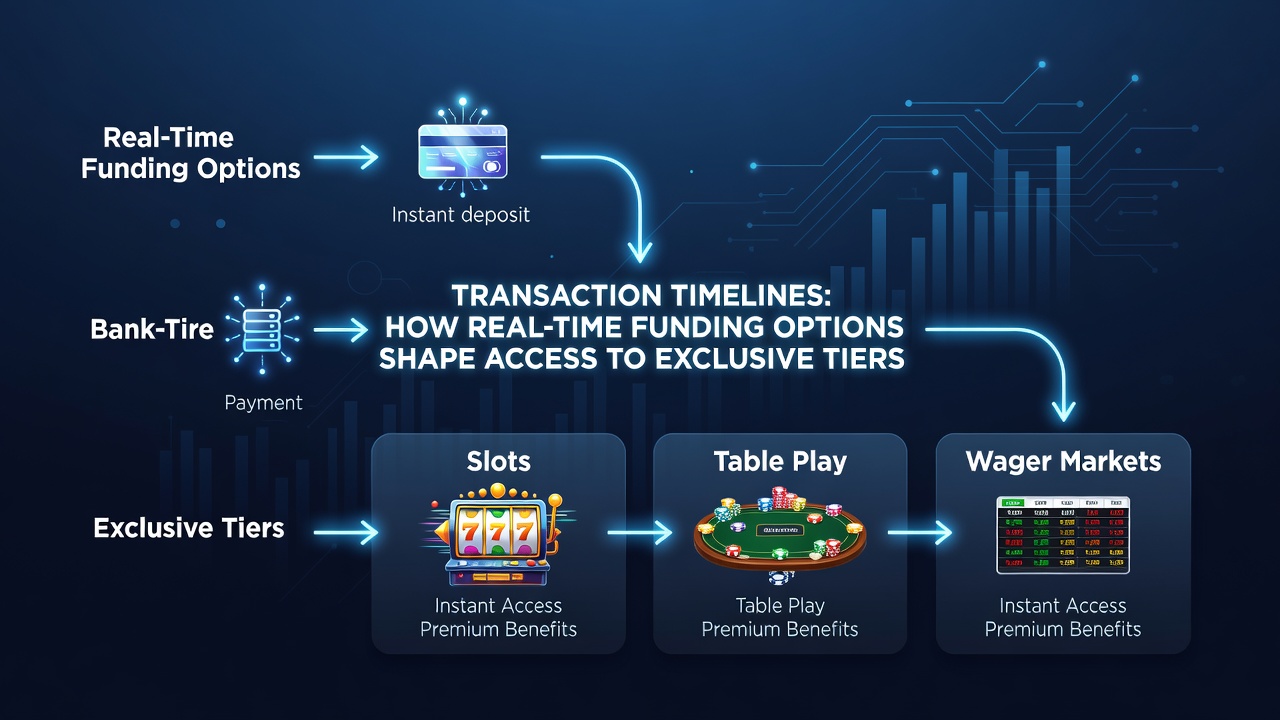
Transaction timelines in online casino environments have shifted markedly as real-time funding options expand, and these changes directly affect how players qualify for exclusive tiers that bundle benefits across slots, table play, and wager markets. Operators now integrate instant deposit and withdrawal systems that reduce the lag between funding an account and meeting the activity thresholds required for tier advancement, according to industry reports from the American Gaming Association. Data shows that players using these accelerated methods often reach volume requirements faster because the funds become available for immediate play without the traditional processing delays that once spanned several business days.
Mechanics of Real-Time Funding in Casino Ecosystems
Payment rails such as open banking transfers, e-wallet instant top-ups, and certain card schemes now settle in seconds rather than hours, which alters the pace at which wagering activity registers toward tier criteria. Researchers tracking operator systems note that once a deposit clears instantly the corresponding bet history begins accumulating without interruption, whereas slower methods create gaps that delay eligibility reviews. This pattern holds across slots where spin volume counts toward points, table games where average bet size and hands played factor in, and sports markets where settled wagers contribute to overall handle. Observers at major platforms report that the synchronization between funding speed and activity tracking has tightened, allowing systems to update tier status in near real time during promotional windows.
Impact on Tier Access Spanning Different Game Categories
Exclusive tiers typically combine requirements from multiple verticals, so a player must generate sufficient activity in slots, table play, and wager markets to unlock layered rewards. Real-time funding removes one bottleneck because players can respond immediately to time-limited challenges or reload bonuses that demand quick deposits. Figures from European regulatory filings indicate that platforms offering same-second settlements see higher percentages of accounts progressing through intermediate tiers within a single calendar month. Those who rely on legacy bank transfers, by contrast, encounter longer qualification cycles even when their total wagering volume matches that of faster-funded accounts. The difference becomes pronounced in August 2026 when several operators plan to roll out synchronized tier resets aligned with instant payment cutoffs.
Slots and Progressive Jackpot Pathways
Slot play often forms the base layer of tier calculations because of high spin frequency and contribution rates. Instant funding lets players move directly from deposit to high-volume sessions on progressive titles, keeping momentum toward both jackpot triggers and tier points without waiting periods. One study of transaction logs revealed that accounts using real-time options completed daily volume targets 38 percent more often than those using standard methods. This consistency compounds over weeks, pushing players into higher brackets that unlock dedicated jackpot pools reserved for tier members.
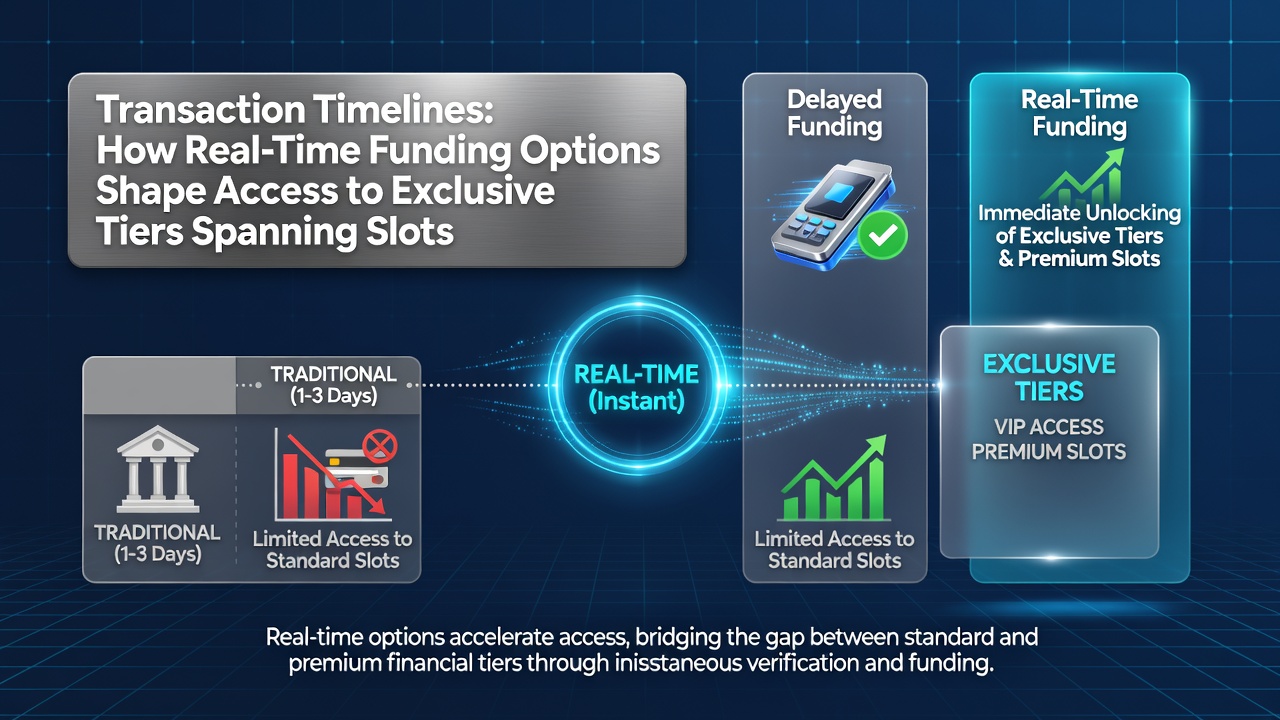
Table Play and Live Dealer Integration
Table games introduce different variables because session length and average bet size determine point accrual. Real-time funding supports uninterrupted table time since players can top up mid-session without leaving the game interface. Operators have documented cases where instant top-ups during live dealer rounds allowed participants to sustain the minimum bet thresholds needed for tier advancement, something that previously required pre-planning around slower transfers. The same principle applies when players switch between blackjack, roulette, and poker variants within a single evening, maintaining continuous contribution across all tracked metrics.
Wager Markets and Cross-Vertical Tiering
Sports and event betting add another dimension because settlement times for wagers can vary, yet the initial stake still requires available funds. Real-time deposits enable players to place bets as soon as lines open or odds shift, capturing opportunities that feed directly into tier calculations. Data compiled by the Australian Communications and Media Authority shows that accounts with instant funding capabilities placed 27 percent more live wagers during peak periods, translating into faster accumulation of handle-based points. When these markets interconnect with slot and table activity through unified loyalty engines, the overall timeline for reaching exclusive tiers shortens noticeably for users of accelerated payment options.
Operational Adjustments by Platforms in 2026
Platform updates scheduled for August 2026 include tighter integration between payment processors and loyalty databases, reducing the interval between a completed transaction and its reflection in tier dashboards. Industry organizations tracking these developments report that such linkages minimize disputes over qualifying activity and allow automated tier upgrades within minutes of threshold achievement. Players who maintain consistent real-time funding patterns therefore experience fewer interruptions in their progression paths across all three game categories.
Conclusion
Real-time funding options have become integral to how quickly accounts meet the multi-category requirements that define exclusive tiers. Transaction timelines now compress because deposits and subsequent wagers register without traditional delays, affecting slots, table play, and wager markets in measurable ways. Available figures and operational records confirm that platforms adopting these systems see altered patterns of tier advancement, with faster-funded accounts progressing through loyalty structures on accelerated schedules. These dynamics continue to evolve as payment technologies and loyalty engines remain linked more closely.