Tiered Loyalty Structures and Integrated Reward Pathways Across Mobile Gaming Platforms
Written by Quinn Simon · Aug 29, 2026
Tiered Loyalty Structures and Integrated Reward Pathways Across Mobile Gaming Platforms
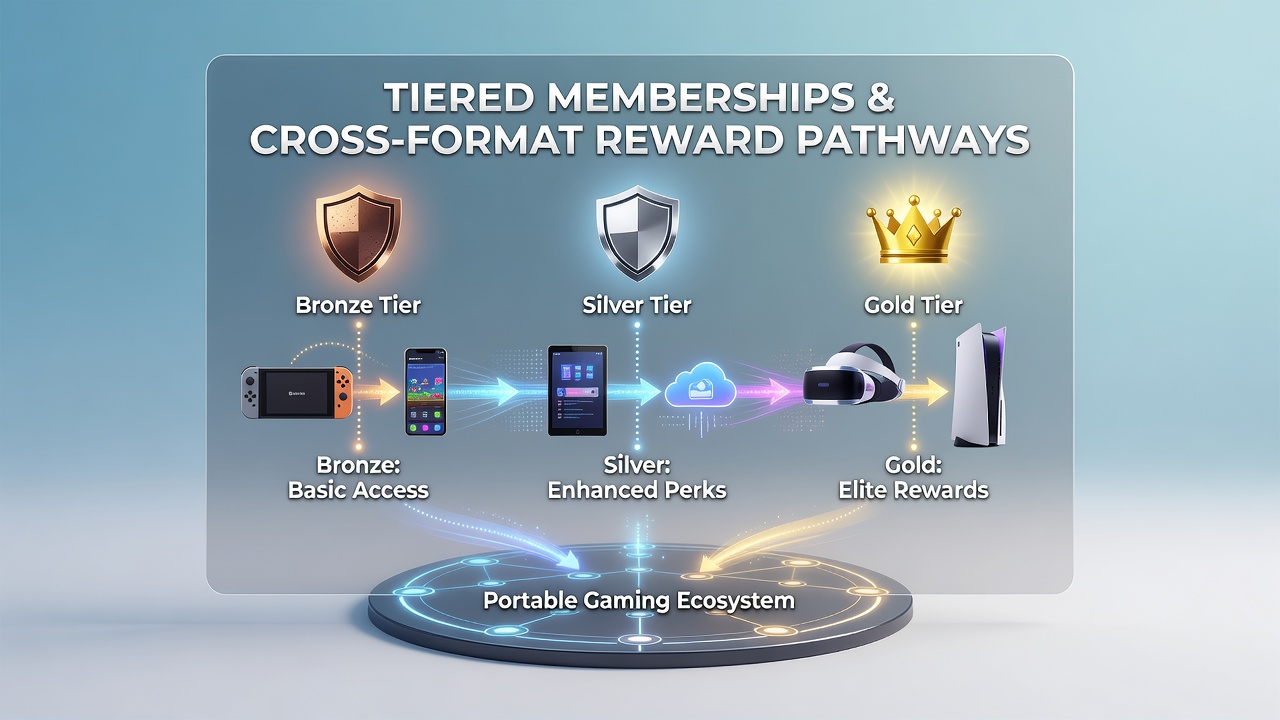
Portable gaming ecosystems have expanded rapidly in recent years, and tiered membership programs now function as central mechanisms that connect player activity across slots, live dealer tables, and sports betting interfaces. These structures assign users to progressive levels based on cumulative engagement metrics, while cross-format reward pathways allow points, bonuses, and perks earned in one format to transfer directly into another.
Core Components of Tiered Membership Systems
Operators define membership tiers through transparent criteria that track deposit volume, wager frequency, and session duration across mobile applications. Entry-level tiers grant basic access to standard promotions, whereas higher tiers unlock accelerated point multipliers, dedicated support channels, and exclusive event invitations. Data collected from multiple platforms shows that users who advance through three or more tiers demonstrate sustained activity spanning at least four distinct game categories within a single calendar quarter.
Points accumulation occurs in real time, with algorithms adjusting reward values according to the format played. A sports bet placed during a live event may generate points at a different rate than a slot session of equivalent stake, yet both contribute to the same overarching tier progression. This unified ledger prevents fragmentation and maintains a single status level visible on every device screen.
Mechanics of Cross-Format Reward Pathways
Cross-format pathways operate through centralized loyalty engines that convert activity from disparate verticals into interchangeable credits. When a player completes a table game round, the resulting points become available for redemption on a sports betting slip or as additional spins on progressive jackpot titles. Conversion rates remain fixed within each tier bracket, eliminating the need for manual transfers or separate wallets.
Integration extends to time-limited campaigns that link seasonal sports events with casino promotions. A user who places qualifying bets on a major tournament may receive bonus funds automatically credited toward live dealer sessions the following week. Observers note that such linkages increase cross-vertical session counts without requiring additional marketing spend from operators.
Interplay Between Tiers and Reward Pathways
The interaction between tier status and reward pathways creates feedback loops that reinforce continued participation. Higher-tier users receive enhanced conversion ratios, meaning the same wager yields greater transferable value when redeemed in a secondary format. This incentive structure encourages exploration of new game types while preserving the benefits attached to established loyalty levels.
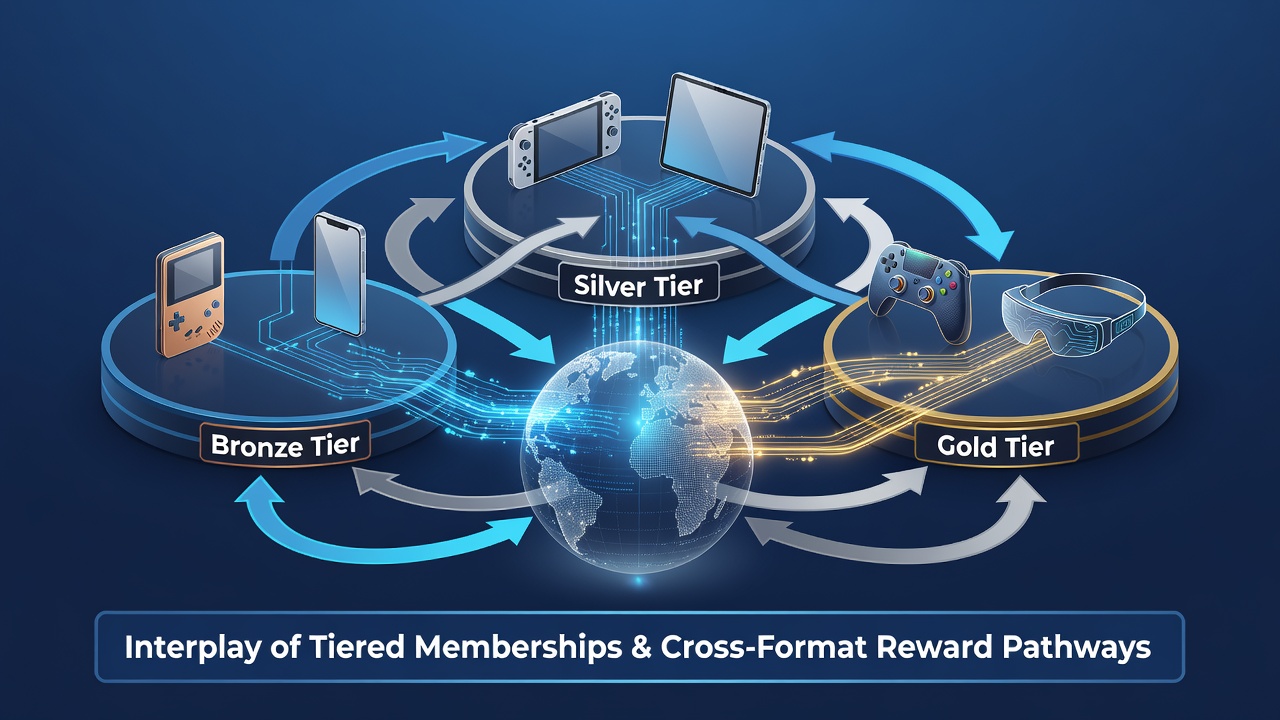
Technical infrastructure supporting these systems relies on API connections that synchronize user data across mobile applications and backend servers. Updates to tier status propagate instantly, allowing immediate access to newly unlocked pathway features. Industry reports indicate that platforms maintaining sub-second synchronization report higher retention rates among users who regularly switch between formats.
Regional Developments and August 2026 Context
Regulatory frameworks outside the United Kingdom continue to shape how operators implement these systems. In August 2026, several North American jurisdictions introduced updated guidelines requiring clearer disclosure of point conversion rates and tier qualification thresholds. These measures aim to standardize information presented to users without restricting the design of cross-format incentives.
Australian regulatory bodies have examined similar structures through public consultations, focusing on consumer protection elements such as spend limits tied to tier advancement. Research from the Victorian Responsible Gambling Foundation highlights measurable differences in play patterns once users reach mid-tier status, particularly when rewards span multiple formats. European trade associations have published parallel findings that align with these observations.
Implementation Examples from Operating Platforms
One large operator based in the United States integrated its mobile loyalty program with a unified points economy in early 2025. Users who reached the third tier gained the ability to exchange sports betting winnings for live table bonuses at an improved rate, resulting in documented increases in weekly active sessions across both verticals. A separate Canadian platform adopted comparable mechanics later that year, linking progressive slot jackpots directly to tier-based multipliers applied to live dealer play.
These cases demonstrate that successful deployment depends on consistent rule application rather than isolated promotional bursts. When conversion ratios remain stable and visible within the application interface, players maintain clearer expectations about how activity in one format influences opportunities in another.
Conclusion
Tiered membership programs and cross-format reward pathways now represent interconnected features within portable gaming ecosystems. Their combined operation channels player engagement across slots, tables, and sports betting while preserving a single progression track. Regulatory updates scheduled through 2026 continue to emphasize transparency in how these systems calculate and display benefits. Operators that maintain synchronized data flows and stable conversion rules position themselves to support sustained activity across multiple formats without fragmenting the user experience.